
Navigating the realm of Creating a Balanced Financial Lifestyle in a Fast Economy requires a keen understanding of financial principles and adaptability in a rapidly changing economic landscape. This guide offers insights and strategies to help individuals achieve stability and success amidst the challenges of a fast-paced economy.
Introduction to Creating a Balanced Financial Lifestyle in a Fast Economy
Creating a balanced financial lifestyle involves managing your income, expenses, savings, and investments in a way that ensures stability and growth over time. It requires a strategic approach to money management that considers both short-term needs and long-term financial goals.
Challenges of Maintaining Financial Balance in a Fast-Paced Economy
In a fast-paced economy, individuals face various challenges when trying to maintain financial balance. The rapid changes in market conditions, job instability, inflation, and increasing living costs can make it difficult to keep up with financial goals and stay on track with budgeting.
Importance of Adapting Financial Habits to a Rapidly Changing Economic Environment
Adapting financial habits to a rapidly changing economic environment is crucial for financial success. It involves being flexible, proactive, and informed about market trends, investment opportunities, and potential risks. By adjusting your financial strategies according to the economic landscape, you can better navigate uncertainties and seize opportunities for growth and stability.
Understanding Financial Planning in a Fast Economy
Financial planning plays a crucial role in achieving a balanced financial lifestyle, especially in a fast-paced economy. It involves setting financial goals, creating a budget, saving and investing wisely, managing debt, and planning for retirement. In a rapidly changing economic landscape, the need for effective financial planning becomes even more critical to navigate uncertainties and capitalize on opportunities.
Adapting Financial Planning Strategies
In a fast economy, traditional financial planning approaches may need to be adjusted to keep pace with the dynamic environment. Strategies such as setting short-term financial goals, diversifying investments, and staying informed about market trends can help individuals adapt to the rapid changes and make informed financial decisions.
Additionally, leveraging technology for budgeting, tracking expenses, and monitoring investments can provide real-time insights and control over financial activities.
Comparison with Traditional Approaches
Compared to traditional financial planning, strategies tailored for a fast economy may focus more on agility, flexibility, and risk management. Traditional approaches often emphasize long-term stability and consistency, while newer strategies prioritize adaptability and quick decision-making to respond to market fluctuations and economic shifts.
By incorporating elements of both traditional and modern approaches, individuals can create a robust financial plan that suits their needs in a fast economy.
Budgeting Techniques for a Fast Economy
Creating a budget in a fast-paced economy requires a different approach compared to a slower economy. The key is to be flexible, adaptable, and proactive in managing your finances to keep up with the rapid changes.
Creating a Flexible Budget
One of the most important tips for budgeting in a fast economy is to create a flexible budget that can easily accommodate fluctuations in income and expenses. This means setting aside a portion of your income for savings and investments, while also allowing room for unexpected expenses that may arise.
Tracking Expenses and Adjusting Budgets
- Regularly track your expenses to identify patterns and areas where you can cut back or optimize spending.
- Adjust your budget accordingly based on changes in your income, expenses, or financial goals.
- Be proactive in making adjustments to ensure your budget remains aligned with the pace of the economy.
Optimizing Budgeting Tools and Resources
Utilize online budgeting apps and tools to automate the budgeting process and easily track your finances in real-time.
Consider using spreadsheets or budgeting software that offer features like goal setting, expense categorization, and financial reports to help you make informed decisions.
Investing Wisely in a Fast Economy
Investing in a fast-paced economy requires careful consideration and strategic planning to navigate the opportunities and risks effectively.
Key Investment Opportunities and Risks
In a fast economy, key investment opportunities include tech stocks, renewable energy, and emerging markets. These sectors tend to thrive in dynamic environments and offer high growth potential. However, it is essential to be aware of the risks associated with these investments, such as market volatility, regulatory changes, and geopolitical factors.
Diversification is crucial to manage these risks effectively and protect your investment portfolio.
Strategies for Diversifying Investment Portfolios
Diversification is key to mitigating risks and maximizing returns in a fast economy. By spreading your investments across different asset classes, industries, and geographical regions, you can reduce the impact of market fluctuations on your portfolio. Consider investing in a mix of stocks, bonds, real estate, and alternative assets to achieve a well-rounded investment portfolio.
Regularly rebalance your portfolio to maintain diversification and adjust to changing market conditions. Additionally, consider investing in low-cost index funds or exchange-traded funds (ETFs) to gain exposure to a broad range of assets efficiently.
Managing Debt and Savings in a Fast Economy
In a fast-paced economy, managing debt and building savings can be especially challenging. Economic uncertainties, fluctuating interest rates, and unpredictable market conditions can make it difficult to prioritize debt repayment and savings accumulation. However, it is crucial to have a solid financial plan in place to navigate these challenges effectively.
Prioritizing Debt Repayment
- Start by identifying high-interest debts and focus on paying them off first. This can help you save money in the long run by reducing the amount of interest you accrue.
- Consider consolidating multiple debts into a single loan with a lower interest rate to simplify repayment and potentially lower your monthly payments.
- Avoid accumulating more debt while working on paying off existing debts. Cut back on unnecessary expenses and focus on living within your means.
Building Savings and Emergency Funds
- Set specific savings goals and automate your savings by setting up automatic transfers from your checking account to a savings account. This can help you build your savings consistently over time.
- Create an emergency fund that covers at least three to six months' worth of living expenses. This fund can provide a financial safety net in case of unexpected events like job loss or medical emergencies.
- Consider investing a portion of your savings in low-risk options like a high-yield savings account or a certificate of deposit (CD) to earn some interest while keeping your funds easily accessible.
Balancing Lifestyle Choices with Financial Goals
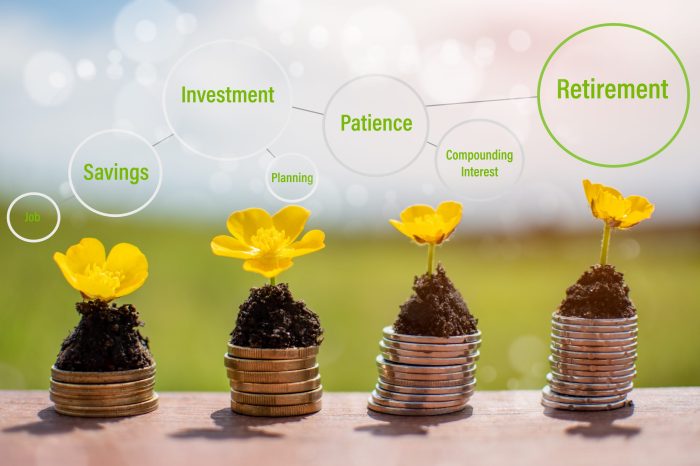
Balancing lifestyle choices with financial goals is crucial in a fast-paced economy where spending habits can easily get out of control. By understanding how our lifestyle choices impact our financial well-being, we can make informed decisions to achieve our personal goals effectively.
Strategies for Maintaining a Balanced Approach
- Set clear financial goals: Define short-term and long-term objectives to guide your spending and saving decisions.
- Create a realistic budget: Track your income and expenses to ensure you're living within your means and allocating funds towards your priorities.
- Automate savings and investments: Take advantage of technology to automate regular contributions to your savings and investment accounts.
- Avoid lifestyle inflation: Resist the temptation to increase your spending every time your income rises, and focus on growing your wealth instead.
Examples of Positive Lifestyle Adjustments
- Downsizing to a smaller home to reduce housing costs and free up funds for savings or investments.
- Cutting back on dining out and preparing meals at home to save money and improve overall health.
- Opting for public transportation or carpooling to reduce transportation expenses and minimize environmental impact.
- Limiting impulse purchases and focusing on quality over quantity when making shopping decisions.
Final Review

In conclusion, Creating a Balanced Financial Lifestyle in a Fast Economy is not just about managing money; it's about creating a sustainable financial future. By implementing the tips and techniques discussed, individuals can proactively shape their financial well-being and thrive in today's dynamic economic environment.
Answers to Common Questions
How can I adapt my financial habits to keep up with a fast-paced economy?
It's crucial to regularly review and adjust your financial strategies to align with the changing economic conditions. Stay informed, be proactive, and seek professional advice if needed.
What are the key benefits of diversifying investment portfolios in a fast economy?
Diversification helps spread risk and maximize returns by investing in a variety of assets. This strategy can help protect your investments from market fluctuations.
Why is it important to prioritize debt repayment in a fast economy?
Reducing debt burden can free up financial resources for savings and investments, ultimately leading to improved financial stability and future opportunities.