

Delving into The Psychology Behind Lavish Living and Status Choices, we uncover the intricate web of factors driving our desire for luxury and status symbols. From societal expectations to personal insecurities, this topic offers a fascinating exploration of human behavior.
As we navigate through the various aspects of lavish living and status choices, a deeper understanding emerges, shedding light on the complexities of our materialistic pursuits.
The Influence of Lavish Living
Lavish living is often perceived as a symbol of wealth, success, and status in society. Individuals who engage in extravagant spending on luxury items, expensive vacations, and high-end experiences are often admired and envied by others.
Examples of Extravagant Lifestyles in the Media
- Celebrities showcasing their lavish mansions, designer wardrobes, and luxurious cars on social media platforms like Instagram.
- Reality TV shows that depict the opulent lifestyles of the rich and famous, influencing viewers to aspire to similar levels of luxury.
- High-profile events like award shows and galas where attendees flaunt their expensive jewelry, couture outfits, and extravagant accessories.
The Impact of Social Media on Promoting Lavish Living
Social media platforms play a significant role in promoting lavish living by creating a curated image of a glamorous and luxurious lifestyle. Influencers and celebrities often partner with brands to showcase high-end products and services, influencing their followers to desire and emulate their extravagant choices.
Psychological Drivers of Status Choices

In understanding the psychology behind status choices, it is important to delve into the various factors that influence individuals to make decisions related to their perceived status.Conspicuous Consumption:Conspicuous consumption refers to the act of purchasing and displaying goods or services to signal one's wealth or social status.
This behavior is driven by the desire to be perceived as successful and affluent in the eyes of others. Individuals engage in conspicuous consumption to establish their place within social hierarchies and gain recognition among their peers.Self-Esteem and Social Comparison Theory:Self-esteem plays a significant role in influencing status choices.
Individuals with low self-esteem may seek external validation through the acquisition of status symbols to boost their self-worth. Social comparison theory posits that individuals determine their own social and personal worth based on how they stack up against others. This comparison can drive individuals to engage in status-seeking behaviors to enhance their perceived social standing.
Impact of Media and Advertising
The media and advertising play a crucial role in shaping individuals' perceptions of status and influence their consumption patterns. Through targeted marketing strategies, companies create aspirational images that link certain products or lifestyles with status and success. As a result, individuals may feel compelled to align their choices with these idealized representations, leading to increased consumption of luxury goods and services.
Psychological Need for Belonging
The innate desire for belonging and acceptance within social groups can drive individuals to make status-related choices. By acquiring status symbols or engaging in conspicuous consumption, individuals seek to establish their identity within their social circles and gain recognition from others.
This need for belonging can influence the types of products or experiences individuals prioritize in their pursuit of status.
Societal Norms and Expectations
Societal norms play a crucial role in shaping our perception of luxury and status symbols. These norms dictate what is considered valuable, desirable, and prestigious within a given society, influencing individuals' decisions to display wealth in specific ways.
Influence of Social Media
Social media platforms have become powerful influencers of societal norms and expectations, especially when it comes to showcasing a lavish lifestyle. The pressure to keep up with the glamorous images and extravagant lifestyles portrayed on social media can lead individuals to make choices that align with these perceived norms, even if it means going beyond their means.
- Instagram, for example, is filled with posts depicting luxury vacations, designer clothing, and expensive possessions, creating a sense of FOMO (fear of missing out) for those who are not able to afford such luxuries.
- Individuals may feel compelled to showcase their own material possessions and experiences on social media to gain validation and acceptance from their peers, further perpetuating the cycle of displaying wealth.
- The constant exposure to these curated images of opulence can create a sense of inadequacy and drive individuals to conform to societal expectations of what constitutes a lavish lifestyle.
Peer Pressure and Conformity
Peer pressure also plays a significant role in maintaining a lavish lifestyle, as individuals may feel compelled to keep up with the spending habits and status symbols of their social circle to avoid being ostracized or deemed less successful.
Conforming to societal norms and expectations regarding luxury and status symbols can lead individuals to prioritize material possessions over financial stability and personal well-being.
- Individuals may feel the need to purchase expensive cars, designer clothing, or luxury items to signal their social status and fit in with their peers, even if it means accumulating debt or living beyond their means.
- The fear of being judged or excluded from social circles can drive individuals to prioritize external displays of wealth over their own financial security, perpetuating a cycle of conspicuous consumption.
Emotional Impact of Materialism
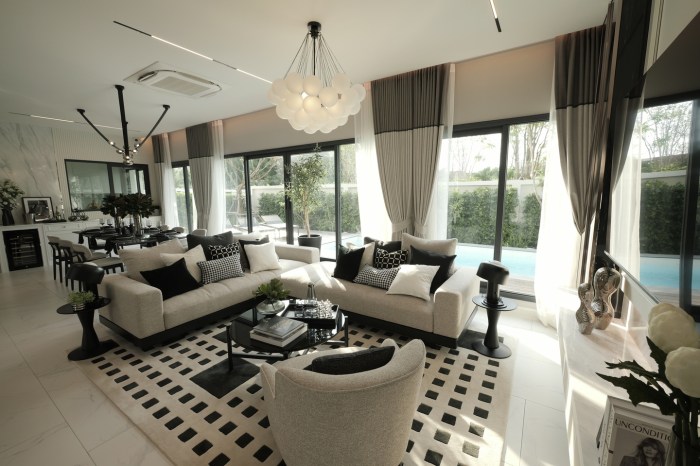
Materialism, the prioritization of material possessions and wealth, can have profound emotional consequences on individuals. The relentless pursuit of acquiring more things can lead to a never-ending cycle of desire, comparison, and dissatisfaction.
Link Between Materialism and Mental Health
Research has shown a strong correlation between materialism and mental health issues such as anxiety and depression. Constantly seeking external validation through material possessions can result in feelings of inadequacy and low self-worth.
- Individuals who place excessive value on material goods often experience higher levels of stress and anxiety, as they constantly worry about maintaining their status and acquiring more possessions to keep up with others.
- Moreover, the temporary satisfaction gained from purchasing new items fades quickly, leading to a cycle of seeking out the next purchase to fill the void.
- This perpetual cycle can contribute to feelings of emptiness, loneliness, and a lack of fulfillment, which can exacerbate symptoms of depression.
Strategies for Cultivating a Healthier Relationship with Material Goods
It is essential to develop strategies to break free from the grip of materialism and cultivate a healthier relationship with possessions and status symbols.
- Practice gratitude: Focusing on what you already have and expressing gratitude for the non-material aspects of your life can help shift your mindset away from constant consumption.
- Set meaningful goals: Instead of chasing after material possessions for the sake of status, set goals that align with your values and bring true fulfillment.
- Engage in mindful consumption: Before making a purchase, pause and reflect on whether the item will truly enhance your life or if it is just a fleeting desire driven by external influences.
- Cultivate meaningful relationships: Investing time and energy into building connections with others can provide a sense of belonging and fulfillment that material possessions cannot offer.
- Seek professional help: If materialism is significantly impacting your mental health and well-being, consider seeking support from a therapist or counselor to explore underlying issues and develop coping strategies.
Closing Notes
In conclusion, The Psychology Behind Lavish Living and Status Choices unveils the multifaceted nature of our relationship with wealth and status. By dissecting the emotional impacts and societal influences, we gain insight into our own behaviors and motivations.
Clarifying Questions
How does peer pressure contribute to maintaining a lavish lifestyle?
Peer pressure plays a significant role in encouraging individuals to conform to societal standards of luxury and status, leading to a desire to display wealth through extravagant means.
What are some strategies to develop a healthier relationship with material possessions?
Cultivating gratitude, practicing mindfulness, and focusing on experiences rather than material goods are effective ways to shift towards a more balanced and fulfilling lifestyle.
How does social comparison theory influence our choices related to status?
Social comparison theory prompts individuals to evaluate themselves based on others, often leading to a desire for status symbols as a way to measure one's worth relative to peers.